 Roomcraft
Roomcraft lane
Ticketlab
Ticketlab is a Roomcraft learning area for teachers designing small checks that reveal thinking, guide tomorrow’s instruction, and respect the limited minutes at the end of class.
For: Teachers designing small checks that reveal thinking, guide tomorrow’s instruction, and respect the limited minutes at the end of class. · Tool: Formative assessment lab
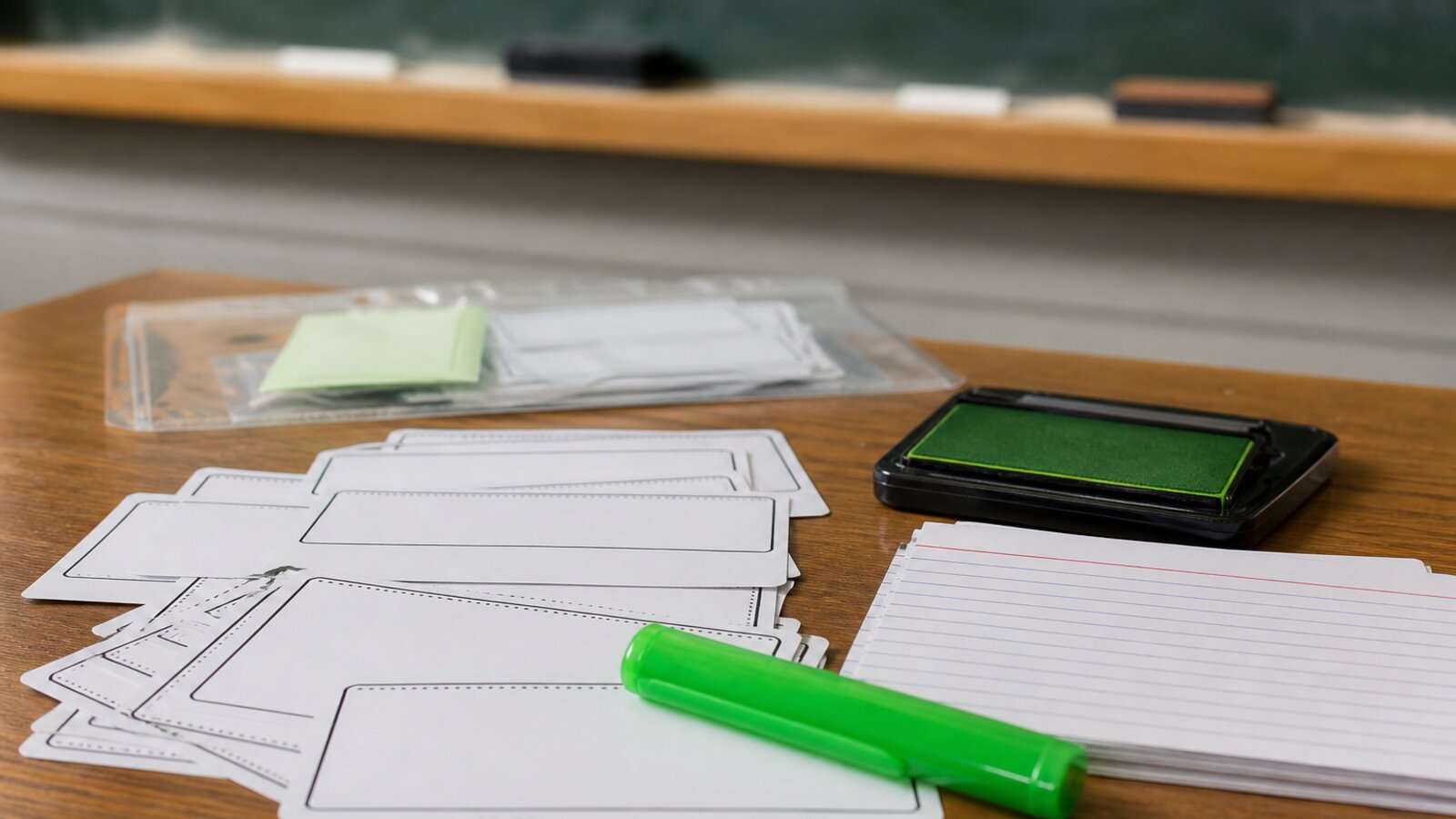
Ticketlab is devoted to exit tickets and other small formative checks that fit the last minutes of class without turning into another pile of unmarked paper. Guides help teachers ask for evidence that reveals thinking—confidence, confusion, or a partial step—then decide what tomorrow’s opener should do with that information. The craft lives in the question, the timing, and the honest use of what comes back.
Each Ticketlab guide starts from a closing-moment problem: rushed packing, a vague “any questions?”, or tickets that never change instruction even when half the room is lost. You will design prompts students can answer quickly, sort responses into a few actionable piles, and plan one follow-up move. Formative work earns its keep only when it changes what happens next for learners.
Use Ticketlab when you want clearer end-of-class evidence without adding a grading marathon to an already long evening. Try one prompt, protect the minutes it needs from the packing rush, and look at the stack before you leave if you can. A short check that actually steers tomorrow beats a clever sheet that sits unread until the unit has already moved on.
How to use this lane
Pick the Ticketlab guide that matches what you most need to learn before the next meeting: a misconception check, a skill sample, or a confidence read on today’s idea. Write one prompt students can finish in a few minutes, decide how they will hand it in, and name in advance how you will sort the responses into keep-teaching, reteach, or extend. Clarity up front saves the pile from becoming noise.
Teach the ticket as a normal closing habit, not a surprise quiz that arrives while backpacks are already zipping. Model a strong and a thin response once, give the class quiet time to think, and collect with a calm routine that does not fight the hallway bell. Students should know their answers will shape tomorrow’s work, not vanish into a forgotten folder by the door.
Before the next class, spend a short sorting pass: three piles, one instructional decision, and a note about which prompt wording worked or wandered. Adjust the question if half the room answered a different task than you intended to ask. Over time, Ticketlab becomes a lean formative toolkit tuned to your content, your clock, and the kinds of thinking you actually need to see.
Exit ticket / warm-up generator
Pick a style and subject to draft a quick check. Save sets locally.
Guides
Long-form classroom craft for Ticketlab.
- Exit Ticket Design That Reveals Thinking A practical classroom-craft guide to exit ticket design that reveals thinking, with usable language, small rehearsal moves, and evidence-based revisions. Build the routine around the learners and time you actually have.
- Warm-Up Checks That Start With Information A practical classroom-craft guide to warm-up checks that start with information, with usable language, small rehearsal moves, and evidence-based revisions. Build the routine around the learners and time you actually have.
- Reflection Prompts Students Can Answer Honestly A practical classroom-craft guide to reflection prompts students can answer honestly, with usable language, small rehearsal moves, and evidence-based revisions. Build the routine around the learners and time you actually have.
- Difficulty Dials for Fast Understanding Checks A practical classroom-craft guide to difficulty dials for fast understanding checks, with usable language, small rehearsal moves, and evidence-based revisions. Build the routine around the learners and time you actually have.
- A Week of Checks Without Assessment Overload A practical classroom-craft guide to a week of checks without assessment overload, with usable language, small rehearsal moves, and evidence-based revisions. Build the routine around the learners and time you actually have.