 Roomcraft
Roomcraft lane
Homeroom Atlas
Homeroom Atlas is a Roomcraft learning area for educators shaping advisory time into a steady place for belonging, reflection, and the small skills that support a school day.
For: Educators shaping advisory time into a steady place for belonging, reflection, and the small skills that support a school day. · Tool: Advisory guidebook
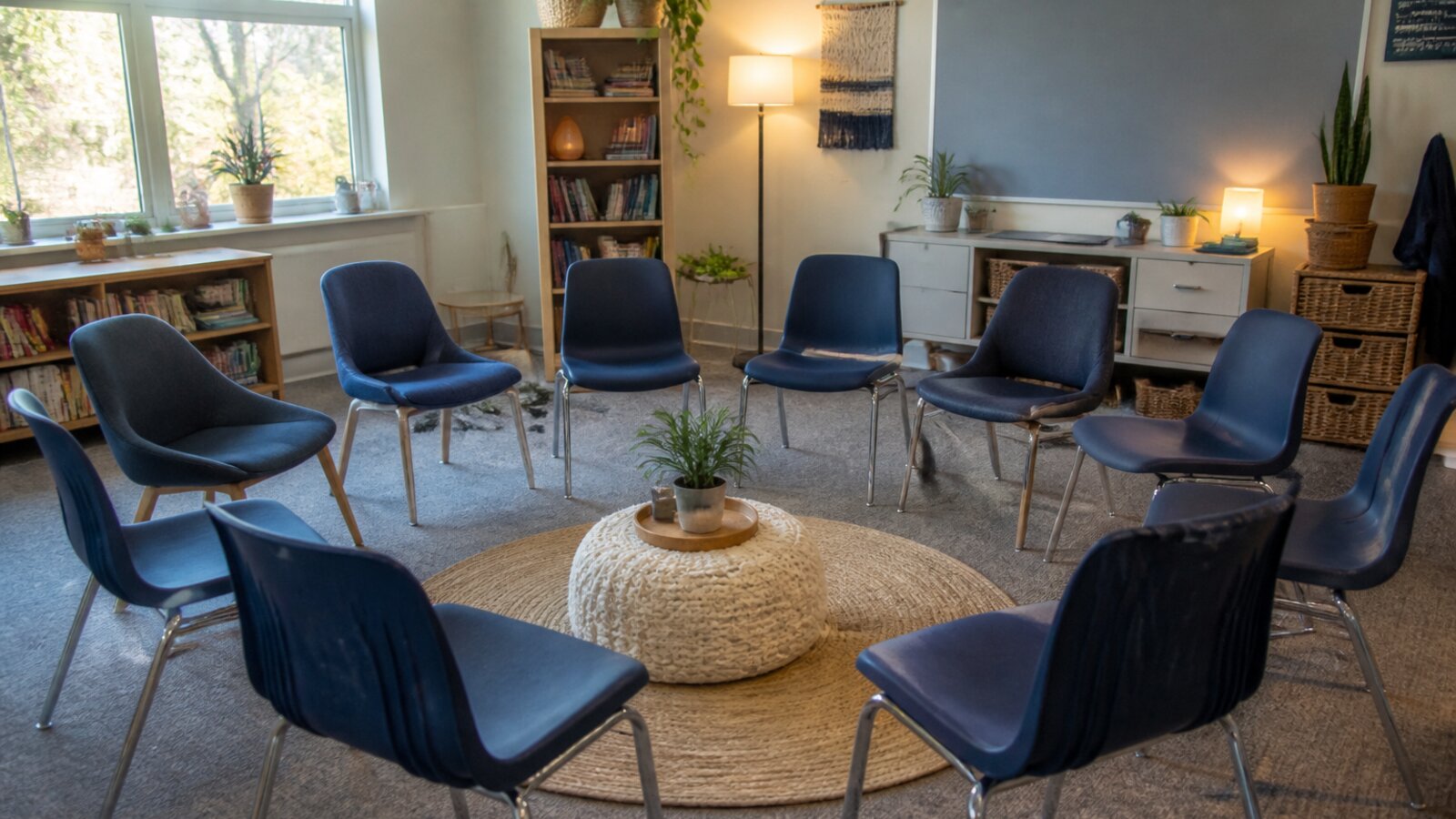
Homeroom Atlas treats advisory and homeroom as a real period with its own craft: belonging, check-ins, school navigation, and the soft skills that make academic classes easier to enter. Guides help educators design short, repeatable gatherings that feel purposeful without becoming another content class or a forced icebreaker every morning. The atlas is for the human side of the schedule that still needs design.
Each Homeroom Atlas guide begins with a familiar advisory tension—awkward silence, announcements that eat the period, or circles that never deepen past weather talk. You will find structures for opening, reflecting, and closing in limited minutes, plus ways to notice who is missing from the conversation. The map stays local: your students, your school rhythms, and your honest capacity on a tired Thursday.
Reach for Homeroom Atlas when advisory time drifts into attendance-plus-phones and nobody can say what the period is for. Choose one gathering pattern, try it for a week, and notice whether students can predict the shape of the time together. A steady advisory ritual that students recognize and can lead parts of is more useful than a spectacular one-off that never returns.
How to use this lane
Select the Homeroom Atlas guide closest to the advisory need you can describe: arrival calm, peer connection, goal check, conflict repair, or school logistics that keep derailing the morning. Prepare one opening cue, one brief shared activity, and a closing that returns everyone to the hallway ready for the next class. Keep the first version short enough to finish without rushing dignity out the door.
Run advisory as a taught gathering rather than a mysterious block that somehow fills itself. Model the expected participation, protect time for quieter voices, and let students practice hosting small pieces when they are ready. Homeroom Atlas works when the period feels like a known place in the week—not a mystery agenda that changes every time the loudest need appears at the door.
After a stretch of days, note what settled the room and what still felt performative or thin. Keep one structure that earned trust, retire one that never did, and write the adjustment before next week’s planning so it does not evaporate. Over time, Homeroom Atlas becomes a lived map of advisory craft for your specific group of students and the school day they actually face.
Check-in + circle prompt deck
Log a mood check and draw a community prompt. Local only.
Press draw for a circle prompt.
Guides
Long-form classroom craft for Homeroom Atlas.
- Morning Meeting Arcs That Hold a Week Together A practical classroom-craft guide to morning meeting arcs that hold a week together, with usable language, small rehearsal moves, and evidence-based revisions. Build the routine around the learners and time you actually have.
- Check-In Formats Beyond “How Are You?” A practical classroom-craft guide to check-in formats beyond “how are you?”, with usable language, small rehearsal moves, and evidence-based revisions. Build the routine around the learners and time you actually have.
- Circle Prompts With a Real Purpose A practical classroom-craft guide to circle prompts with a real purpose, with usable language, small rehearsal moves, and evidence-based revisions. Build the routine around the learners and time you actually have.
- Community Agreements Students Can Use A practical classroom-craft guide to community agreements students can use, with usable language, small rehearsal moves, and evidence-based revisions. Build the routine around the learners and time you actually have.
- Advisory Mini-Lessons for Everyday Skills A practical classroom-craft guide to advisory mini-lessons for everyday skills, with usable language, small rehearsal moves, and evidence-based revisions. Build the routine around the learners and time you actually have.